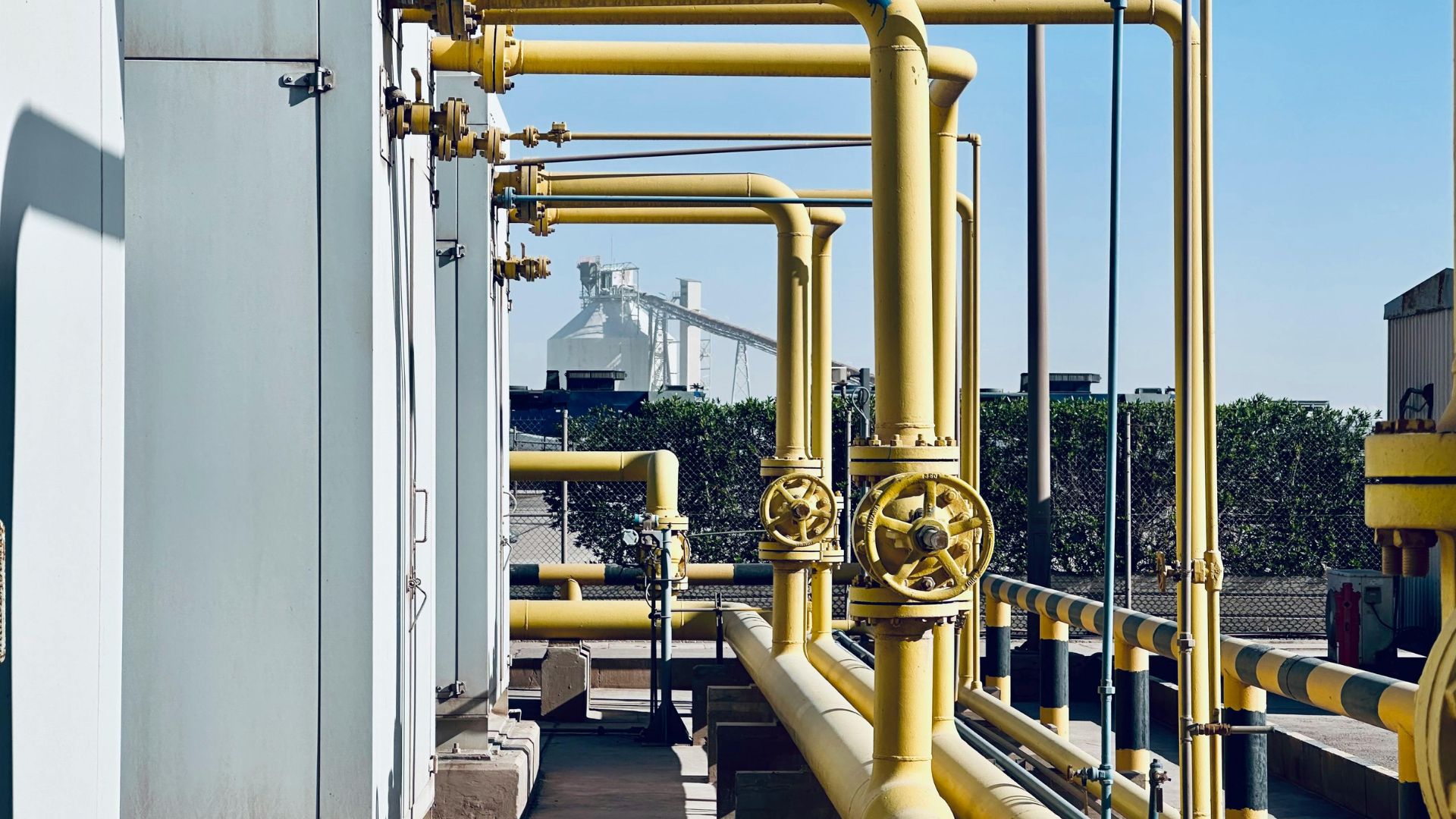
Industrial growth in Western Australia depends on infrastructure systems that are efficient, durable, and environmentally responsible. Industries such as mining, oil and gas, and manufacturing require systems that support continuous production while reducing environmental impact. Sustainable infrastructure focuses on resource efficiency, reduced emissions, and long-term operational stability.
Industrial infrastructure services in Western Australia provide structured solutions that combine engineering, construction, and sustainability practices. These services help industries meet environmental regulations and maintain efficient operations.
Importance of Sustainability in Industrial Infrastructure
Sustainability in infrastructure development reduces resource consumption and environmental impact. Industrial operations use large amounts of energy and water. Efficient systems help reduce operating costs and improve compliance with environmental standards.
Industrial infrastructure services in Western Australia integrate sustainable practices into all stages of development. These practices include energy-efficient design, waste reduction, and water management systems.
Sustainable infrastructure also supports long-term industrial growth by improving system reliability and reducing maintenance needs.
Planning and Sustainable Design
Planning is the first stage of sustainable infrastructure development. Engineers assess environmental conditions, resource availability, and project requirements.
Design processes follow standards from Standards Australia. Environmental guidelines are set by the Environmental Protection Authority.
Sustainable design includes:
- Energy-efficient electrical systems
- Water recycling and wastewater treatment systems
- Use of durable and recyclable materials
- Optimized layouts to reduce energy loss
Designs are developed to operate efficiently in high temperatures, often exceeding 40°C in remote regions.
Construction with Environmental Considerations
Construction methods play a key role in sustainability. Efficient construction reduces material waste and energy use.
Industrial infrastructure services in Western Australia use modular construction methods to improve efficiency. Prefabricated components are produced in controlled environments and assembled on-site. This approach can reduce construction waste by up to 20%.
Construction activities follow safety and environmental regulations enforced by WorkSafe Western Australia. Measures include proper waste disposal, dust control, and energy-efficient equipment use.
Energy Efficiency and Renewable Integration
Energy efficiency is a core element of sustainable infrastructure. Industrial facilities often consume large amounts of electricity for processing and operations.
Industrial infrastructure services in Western Australia support the use of renewable energy sources such as solar and wind power. Energy-efficient systems, including advanced motors and lighting, reduce power consumption.
Energy management systems monitor usage and identify areas for improvement. These systems help reduce operational costs and lower carbon emissions.
Water Management and Resource Optimization
Water is a critical resource in industrial operations. Sustainable infrastructure includes systems for efficient water use and recycling.
Industrial infrastructure services in Western Australia include wastewater treatment plants and water reuse systems. These systems reduce freshwater demand and minimize environmental impact.
Resource optimization also involves reducing raw material waste and improving process efficiency. These measures support long-term sustainability goals.
Maintenance and Lifecycle Sustainability
Maintenance is essential for sustaining infrastructure performance over time. Regular inspections ensure systems operate efficiently and meet environmental standards.
Industrial infrastructure services in Western Australia include predictive maintenance strategies. Sensors and monitoring tools detect performance issues early. This approach can reduce maintenance costs by up to 25% and extend equipment lifespan.
Lifecycle management includes system upgrades to improve efficiency and reduce environmental impact.
Technology for Sustainable Infrastructure
Digital technologies support sustainable infrastructure development. These technologies provide real-time data and improve system control.
Common tools include SCADA systems, IoT sensors, and data analytics platforms. These systems monitor energy use, water consumption, and equipment performance.
Industrial infrastructure services in Western Australia integrate these technologies to improve efficiency and support sustainability targets.
Challenges in Sustainable Infrastructure Development
Sustainable infrastructure projects in Western Australia face several challenges. Remote locations increase transport costs and limit access to renewable energy sources. Extreme weather conditions affect system performance and material durability.
To manage these challenges, companies use advanced planning, efficient logistics, and durable materials. These strategies help maintain sustainability while ensuring operational reliability.
FAQ
What is sustainable industrial infrastructure?
Sustainable industrial infrastructure includes systems designed to reduce environmental impact, improve efficiency, and support long-term operations.
What are industrial infrastructure services in Western Australia?
Industrial infrastructure services in Western Australia include design, construction, and maintenance of systems such as power networks, water systems, and industrial facilities.
How is sustainability applied in infrastructure projects?
Sustainability is applied through energy-efficient design, water recycling, renewable energy use, and waste reduction.
Why is water management important in industrial infrastructure?
Water management reduces resource consumption and minimizes environmental impact.
What technologies support sustainable infrastructure?
Technologies include SCADA systems, IoT sensors, and data analytics tools for monitoring and optimization.
Conclusion
Sustainable infrastructure development is essential for modern industry. Industrial infrastructure services in Western Australia provide integrated solutions that combine engineering, construction, and environmental responsibility. These services support efficient operations, reduce environmental impact, and ensure compliance with regulations. As industrial demand continues to grow, sustainable infrastructure remains critical for long-term economic and environmental stability.
Leave a Reply