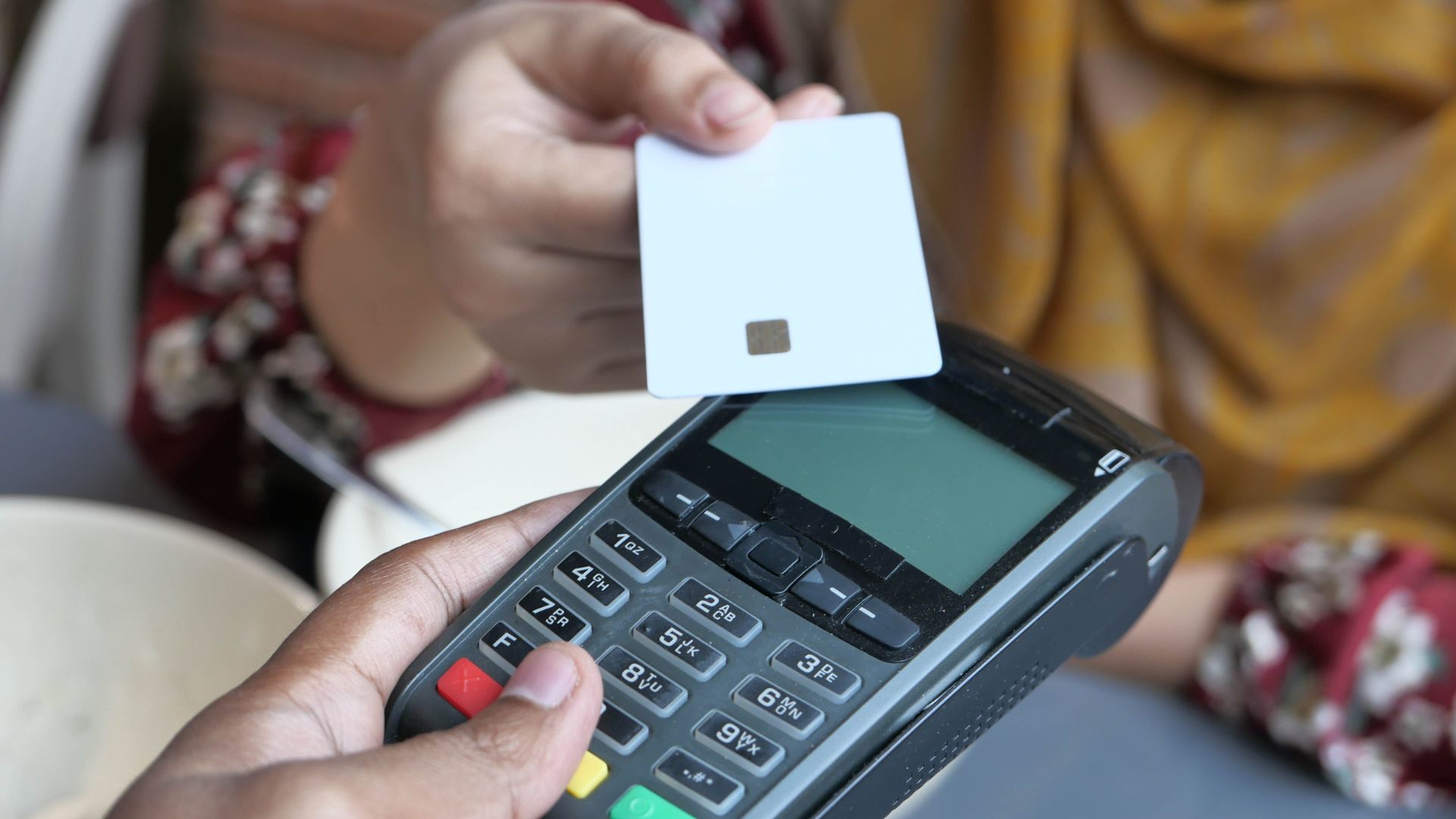
You can quickly pay international services in India using a virtual card that shields your main account, lets you set spending limits, and issues instantly for one‑time or recurring use. Pick an Indian provider with low FX fees, RBI‑ compliant processes, and 2FA tokenization. Fund via UPI, net banking, or a linked account, confirm currency conversion, and monitor transactions in real time. Keep cards cancellable and limited; continue for practical setup steps and tips.
Quick: Pay an International Service With a Virtual Card
When you need to pay an international service quickly, use a virtual card — it’s fast, secure, and avoids sharing your primary card details. You’ll set one up in minutes via your bank or fintech app, generate card details, and enter them at checkout without exposing your main account.
The virtual card benefits include controlled limits, expiration settings, and easy cancellation if something looks off. That gives you better international payment security and peace of mind when dealing with unfamiliar vendors.
You’ll also monitor transactions in real time, dispute charges, and restrict usage to specific merchants or amounts. Use these features to minimize fraud risk, keep currency conversion transparent, and make fast, straightforward cross-border payments.
Types of Virtual Cards for International Payments (One‑Time, Multi‑Use, Prepaid)
When you pay internationally, virtual cards come in three main flavors: one‑time cards for single transactions, multi‑use cards for repeated payments, and prepaid reloadable cards for ongoing budgets.
One‑time cards cut fraud risk by expiring after use. Multi‑use and prepaid options give you flexibility and spending control without exposing your main bank account.
One-Time Use Cards
One-time use virtual cards let you create a single-purpose card number that expires after one transaction, giving you tight control over online international payments and reducing fraud risk.
You use them when you want minimal exposure: a merchant gets a card number that can’t be reused, so stolen details are useless. They boost virtual card security by limiting how long and where a number works.
You can set transaction limits and a single-transaction cap to match the invoice, preventing overcharges or recurring billing.
For purchases in India from foreign services, generate the card in your banking or fintech app just before checkout, enter the details, and let it expire.
Keep receipts and reconcile the one-off payment in your records promptly.
Multi-Use Virtual Cards
You can rely on multi-use virtual cards for recurring subscriptions, frequent vendors, or ongoing services abroad where you want a reusable, controlled payment method.
They offer multi-use benefits like set limits, merchant controls, and expiration dates so you can manage repeat charges without exposing your main account. Card security stays strong because numbers are tokenized and you can cancel a card instantly if something looks off.
- Set spending limits to cap monthly or per-transaction amounts.
- Restrict cards to specific merchants or MCCs to prevent misuse.
- Monitor transactions in real time and receive alerts for unusual activity.
- Cancel or rotate cards instantly to stop unauthorized recurring charges.
Use them when you need convenience, control, and strong card security.
Prepaid Reloadable Cards
Prepaid reloadable virtual cards give you a reusable, pre-funded way to pay international vendors without linking your main bank account. You load funds as needed, set spending limits, and use the card across subscriptions, platforms, or one-off services.
The prepaid benefits include predictable budgeting, control over foreign-exchange exposure, and reduced risk of overdrafts. You’ll also find faster setup than traditional cards and easier reconciliation for business or freelance expenses.
For card security, treat each virtual number like a disposable token: regenerate or freeze it instantly if you suspect fraud. Check fees for reloads and currency conversion, and confirm vendor acceptance for virtual-number transactions.
These cards balance convenience, control, and safety for paying international services from India.
The Subscription Trick Every Small Business Should Know
Small businesses bleed money on subscriptions nobody remembers signing up for. A bookkeeper we know told us she fixes this by issuing a separate card for each recurring tool, so the team can spin up what they need without touching the company account. She recommended the Vizocard prepaid virtual card for the job. The result is a tidy paper trail, hard limits on every card, and no more mystery charges. For a growing business, that level of control over a simple virtual card is worth its weight in gold.
Choose a Provider in India: Features, Fees, and FX Support
When choosing a provider in India, compare fees, transaction limits, and any hidden charges so you know the true cost.
Check the FX rates they offer and whether they support automatic conversion or require manual steps.
Also confirm customer support and any safeguards for rate fluctuations.
Compare Fees & Limits
Although provider choice often comes down to price, it’s important you weigh fees, transfer limits, and foreign-exchange support together — a low upfront fee can be offset by poor FX rates or restrictive daily/monthly caps that slow down your cash flow.
Compare providers by total landed cost: fees, markup on currency exchange, and any hidden charges.
Check how limits affect payroll, subscriptions, or one-off invoices, and confirm transaction security features like 2FA and tokenization.
- List all fees (issuance, reloads, per-transaction).
- Note daily, monthly, and per-transaction limits.
- Calculate effective cost including currency exchange markup.
- Verify chargeback, fraud protection, and compliance limits before committing.
Check FX Rates & Support
Because exchange rates and customer support directly shape the total cost and reliability of international payments, you should scrutinize both before choosing a provider in India.
Check how a provider prices FX — fixed margin, dynamic spread, or mid-market with a fee — and whether rates update in real time to reflect currency fluctuations.
Look for clear rate breakdowns on the app or website so you get transaction transparency: displayed exchange rate, markup, and any added fees.
Test customer support responsiveness via chat or call with a small query about a pending conversion. Ensure support covers dispute handling for failed payments and rate complaints.
Prioritize providers that publish historical rate behavior, confirm cut-off times for conversions, and offer predictable, documented policies.
Compare Costs: Virtual Card vs Credit Card vs Wire Transfer (India)
If you’re weighing options for paying international providers from India, start by comparing the total fees and exchange-rate markup each method applies.
Virtual cards often charge low fixed fees and favorable FX for card-like transactions. Traditional credit cards add foreign-transaction fees and issuing-bank markups. Wire transfers bring higher upfront bank charges and intermediary fees that can make large transfers notably more expensive.
You’ll want a clear cost comparison that includes exchange spread, fixed charges, and any receiving fees.
- Virtual card advantages: low per-transaction cost, quick setup, good transaction security.
- Credit card disadvantages: higher FX markup, foreign-transaction fees, possible cash advance costs.
- Wire transfer efficiency: better for large sums but costlier per rupee sent.
- Customer support: compare dispute handling and refund policies across providers.
Check RBI & Forex Rules Before You Fund a Virtual Card
Before you load funds onto a virtual card, check RBI and FEMA rules so you don’t run into limits, reporting obligations, or prohibited uses.
You should review RBI guidelines on outward remittances and permissible current account transactions to confirm your intended international transactions are allowed. Note annual caps, documentation requirements, and whether your purpose needs declaration or prior approval.
Also check forex regulations for source-of-funds and anti-money-laundering requirements that platforms must follow.
Confirm the card provider’s virtual card security measures and whether they store data offshore, since that can affect compliance and dispute resolution.
If anything’s unclear, contact your bank or a forex expert before funding. Proper due diligence prevents blocks, penalties, and transaction reversals.
Fund Virtual Cards From Indian Bank Accounts (Step‑by‑Step)
Start by linking your Indian bank account to the virtual card provider’s app—you’ll usually verify with netbanking or an OTP.
Once linked, load funds quickly via UPI by selecting the provider’s UPI ID or scanning their QR code and authorizing the payment.
Keep transaction limits and forex charges in mind so you fund the right amount for your international payments.
Link Bank Account
Linking your Indian bank account lets you fund virtual cards quickly and securely, so you can pay for international services without juggling multiple payment methods.
You’ll pick a linking method and follow clear security measures to protect your funds. Most providers offer in-app bank linking via UPI handle, netbanking token, or bank-level API consent.
- Choose provider and open “Link Bank” in settings.
- Select your bank and preferred linking method (UPI handle, netbanking token, or authenticated API).
- Complete one-time verification: OTP, device auth, or consent screen.
- Confirm and set default funding source for virtual cards.
After linking, test with a small charge to confirm success.
Keep credentials private and enable two-factor authentication for extra safety.
Load Funds Via UPI
1 simple UPI transfer lets you fund a virtual card instantly from your Indian bank account — open your provider’s app, choose the virtual card you want to load, pick UPI as the funding method, and enter your UPI ID or scan the QR code to initiate the payment.
You’ll enjoy UPI benefits like instant transfers and low fees, improving cost efficiency when preparing for international acceptance.
Follow prompts to confirm amount, authorize via your UPI PIN, and watch the balance update for immediate use.
This flow enhances transaction security with bank-level authentication while simplifying fund management and improving user experience through clear steps and notifications.
UPI also offers payment flexibility across banks and apps, making topping up quick and convenient.
Manage Currency Conversion & FX Fees (Ways to Save)
Currency conversion and FX fees can quietly add 2–5% (or more) to every international payment you make, so knowing how and when to convert money will save you real cash.
You should compare rates before spending, use providers that show mid-market pricing, and batch payments to improve transaction efficiency. Also watch for hidden commissions your card issuer tacks on.
- Use a multi-currency virtual card or wallet to hold the destination currency when rates are favorable.
- Convert larger sums during low-volatility hours to reduce spread risk.
- Prefer providers that lock rates or offer transparent currency exchange fees.
- Avoid dynamic conversion at checkout; choose to pay in the merchant’s currency to prevent poor rates.
Track fees per transfer and adjust your routine accordingly.
Spending Limits and Real‑Time Controls You Can Set
When you set spending limits and enable real-time controls, you keep surprises off your statements and stop fraud before it starts. You can cap per-transaction, daily or monthly amounts so a single breach won’t blow your budget.
Use per-merchant limits for trial services and vendor-specific cards to confine exposure. Real-time controls let you freeze, unfreeze or cancel a virtual card instantly from an app when something looks off.
Combine these tools with security measures like instant alerts, geo-fencing and merchant-category blocks to enforce spending strategies that match each service—occasional freelance work, SaaS, or one-off purchases.
Review logs regularly, adjust caps as needs change, and always turn off cards you no longer use to minimize risk.
Set Up Virtual Cards for Subscriptions and Recurring Billing
Before you hand over your primary card details, set up a virtual card specifically for subscriptions and recurring billing so you can control charges without interrupting services.
Use subscription management tools in your card app to assign each service its own virtual number, expiry, and spending limit. That way you’ll isolate vendors, stop unwanted renewals, and track recurring costs easily.
- Create a virtual card per subscription for clear billing.
- Set monthly limits and automatic expiry to prevent overcharges.
- Monitor charges in one dashboard to reconcile invoices quickly.
- Cancel or rotate a card instantly if a service changes terms.
These virtual card benefits simplify bookkeeping, reduce fraud risk, and let you manage recurring payments without touching your main account.
Pay Freelancers, Agencies, and Marketplaces With Virtual Cards
If you work with contractors, agencies, or online marketplaces, use dedicated virtual cards to pay them for specific projects or retainer periods so you keep control and simplify reconciliation.
You’ll centralize freelancer payments and improve payment transparency by assigning cards per vendor, project, or client preferences.
Virtual card benefits include instant issuance, spend limits, and reduced fraud exposure, boosting payment security.
Use budgeting tools to set limits and monitor transaction tracking in real time, which helps manage currency fluctuations and avoid surprises.
Tie each card to invoice management processes so you match charges to contracts and verify service reliability before renewing.
This approach streamlines reconciliations, enforces spend policies, and preserves audit trails for audits and stakeholder reviews.
Troubleshoot Declined International Transactions (Common Fixes)
Although international payments usually go through smoothly, declined transactions are common and fixable — and you don’t need to panic.
First, confirm the decline reason in your bank or card app; transaction errors often show a code or message you can act on.
Check these quick fixes:
- Verify card details and expiry; small typos cause declines.
- Ensure sufficient balance and allowed foreign transaction limits.
- Contact your issuer to whitelist the merchant or enable cross-border payment methods.
- Retry with an alternative virtual card or payment method if the merchant blocks certain networks.
If problems persist, get a transaction reference and contact customer support for both your bank and the merchant.
Stay calm, document everything, and you’ll resolve most declines quickly.
Keep Virtual Card Payments Secure and Private
After you’ve sorted a declined payment, protect future international purchases by using virtual cards for one-off or recurring charges—they give you disposable numbers, custom limits, and merchant controls that reduce fraud exposure.
Use unique virtual numbers per merchant so breaches don’t expose other accounts, and set tight spending and expiration limits to minimize risk.
Monitor transactions frequently and enable instant alerts for secure transactions; that way you catch unauthorized charges and dispute them quickly.
Review the card provider’s privacy policies before adding personal details, and prefer services that limit data sharing and use strong encryption.
Finally, avoid storing virtual card details in multiple places, log out of payment apps on shared devices, and use two-factor authentication to keep payments private and controlled.
Switch or Cancel a Virtual Card Without Disrupting Services
When you need to switch or cancel a virtual card, plan the change so recurring services don’t fail—list every subscription and merchant tied to that card, update payment details ahead of the expiration or cancellation, and stagger the swaps to catch any problems quickly.
You’ll reduce downtime and avoid declined payments by following clear virtual card management steps. Check merchant portals, note billing cycles, and keep a short rollback plan in case an update breaks.
- Export subscriptions and billing dates.
- Update the most critical services first (hosting, email, SaaS).
- Verify charges after each swap for 1–2 billing cycles.
- Close the old virtual card only after confirmations.
These card cancellation tips help you maintain uninterrupted service and clean records.
Frequently Asked Questions
Can I Use a Virtual Card for Cross-Border Refunds and Dispute Processes?
Yes — you can often use a virtual card for cross border refunds and dispute resolution, but you’ll need to follow issuer procedures, provide transaction evidence, and expect possible processing delays or currency-related adjustments from the merchant or bank.
Will Merchants Accept Virtual Cards for In-Person Pickup or Local Verification?
Often yes — you’ll find merchant acceptance varies, but many accept virtual cards for in-person pickup if you show digital authorization; you’ll enjoy strong payment security, though some stores may still require a physical card or ID verification.
Can Virtual Card Payments Affect My Indian Credit Score or CIBIL Report?
No, virtual card payments typically won’t directly affect your CIBIL score, but they can influence credit utilization if tied to your credit card account; maintain low utilization and enjoy added virtual security to protect your transactions and report.
How Do Virtual Cards Interact With GST Invoicing and Input Tax Credit?
Right off the bat, you’ll need GST compliance: virtual invoicing must show supplier GST and your payment; you can claim input tax credit with proper tax deductions proof, but card limitations may affect documentary acceptance.
Are Virtual Cards Covered by Indian Consumer Protection Laws and Chargeback Rights?
Yes — you’re protected: virtual card security falls under Indian consumer rights frameworks, so you can pursue refunds, chargebacks, or complaints via banks, RBI grievance channels, and consumer forums if fraud or unfair practices occur.
Final words
You’ve got options: virtual cards make paying international services from India fast, private, and flexible. Pick the right type, compare fees and FX, follow RBI rules, and keep security tight. If a payment fails, try common fixes or swap cards without interrupting service. Remember, “measure twice, cut once” — a little prep saves headaches. Use virtual cards wisely, and you’ll pay freelancers, agencies, and platforms smoothly and with peace of mind.
Leave a Reply